Autistic Graduates and the Barriers to Creative Work
My child JS recently graduated with a 2:1 BA (Hons) in Illustration.
Written like that, it sounds wonderfully straightforward. They went to university, did the work and came away with a good degree.
It was not straightforward.
JS has had a bloody difficult time. We have been through a lot together, and some of that is not mine to tell. What I can say is that getting to graduation took far more from them than the final line on the certificate will ever show.
I am enormously proud of them.
This should feel like a beginning
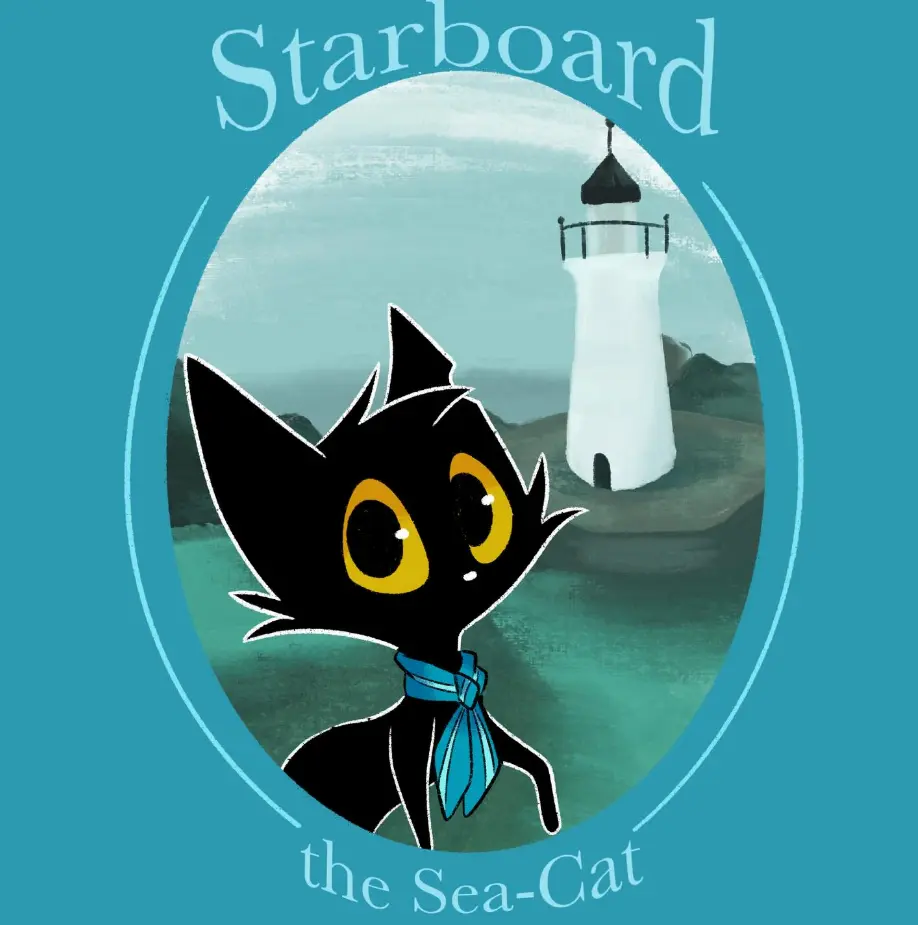
JS creates characters, storybooks, maps, puppets and animation. Their degree project, Starboard, became a whole illustrated world with its own characters and handmade puppets.
The work is odd, warm, funny and full of personality. It could not have been made by anybody else.
This should be the exciting bit. The point where all that work begins to turn into something. Somebody sees their portfolio, understands what is there and thinks, “I want this person involved.”
Instead, graduation can feel like being pushed out of a structured world and told to somehow make people notice you.
That is hard for most creative graduates. For an autistic graduate who finds networking, unfamiliar people and self-promotion difficult, it can feel almost designed to keep them out.
The bit nobody sees
A degree result tells you that somebody reached the required standard. It does not tell you what reaching it cost them.
It does not show the energy spent coping with change, uncertainty and expectations that other people seem to navigate without thinking. It does not show what happens when the structure and support around education disappear. It does not show the fear behind apparently simple things such as contacting somebody new or trying to explain your work to a stranger.

People see a graduate and assume the next step is obvious: apply for jobs, make contacts, go to interviews, pitch ideas and keep putting yourself out there.
Sometimes even one of those things is a mountain.
Then, if nothing happens, the language turns quietly judgemental. They need more confidence. More initiative. More resilience. They need to put themselves out there.
Perhaps they have already shown more resilience than most people will ever know.
Then the world asks you to sell yourself
This is the bit that makes me angry.
JS wants to make things. The route into making things professionally appears to require them to become good at something almost entirely different: selling themselves.
Creative recruitment says it wants originality, imagination and a distinctive voice. Then it often rewards confident talking, quick answers, networking and knowing the right people.
Those are not the same skills.
The person who talks most convincingly about being creative is not necessarily the person who creates the best work. The person who can comfortably approach strangers at an event is not necessarily the person you want designing your character, illustrating your book or building a visual world.
Yet those social abilities become the entrance exam before the actual work is properly considered.
It is absurd.
The work is right there
An illustrator has a portfolio. You can look at it.
You can see whether their work makes you feel something. You can see whether they understand character, composition and story. You can see whether their ideas have life in them.
If you are considering working with somebody, of course you need to know whether you can communicate and agree a brief. But communication does not have to mean performing brilliantly in an interview.
Send the brief in writing. Give them time to think. Ask direct questions. Let them answer in writing if that works better. Talk about the work rather than asking them to produce a polished performance about themselves.
That is not lowering the bar or doing somebody a favour. It is removing a completely irrelevant obstacle so you can judge the thing that actually matters.
This is what reasonable adjustments are supposed to do. Not hand somebody an advantage, but stop measuring them with the wrong ruler.
Starboard and the worlds JS creates
Starboard is centred on Starboard the Sea-Cat. What began as a character became an illustrated story world, with other characters, narrative artwork and handmade puppets.
This is what I love about JS’s work. An idea rarely stays as one picture. It grows a history, relationships and a whole place around it.
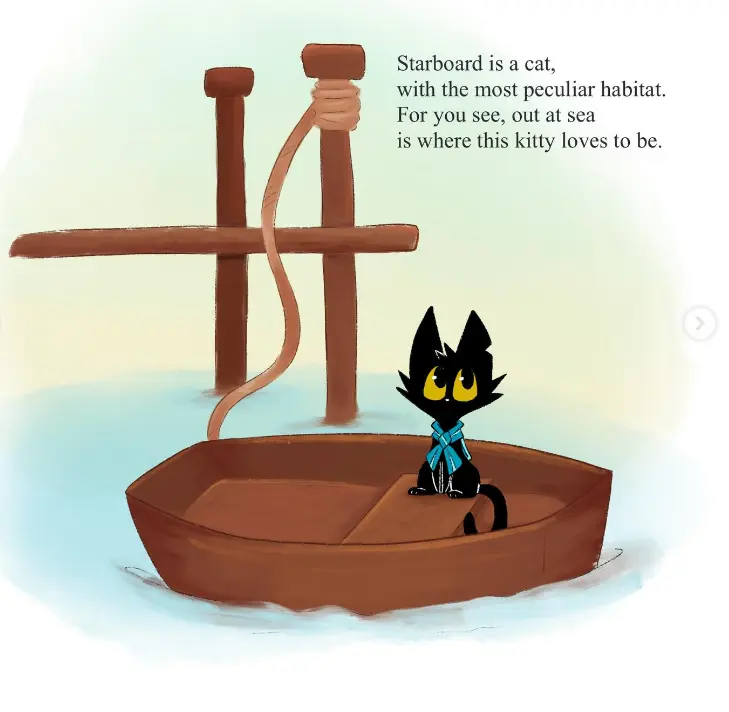
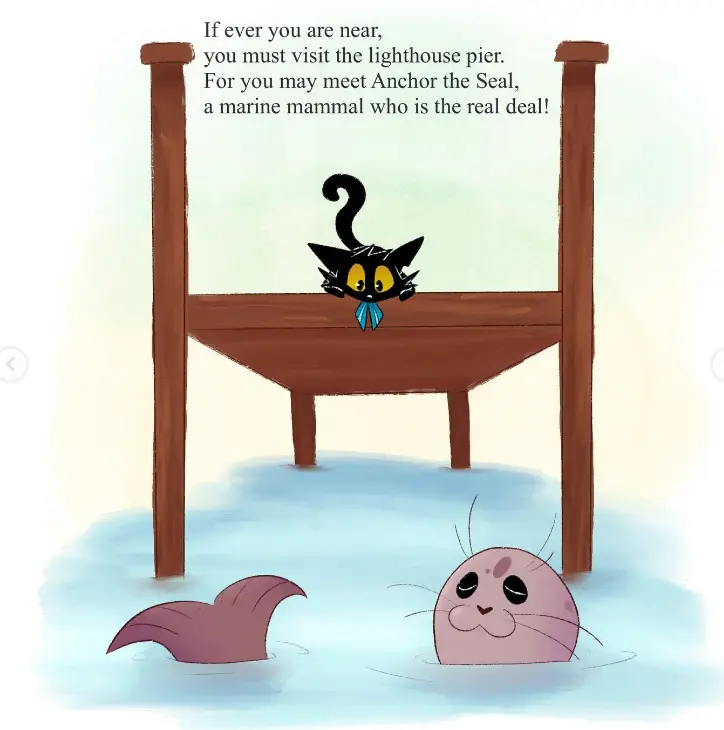
JS also works across narrative illustration, maps, puppetry and animation.
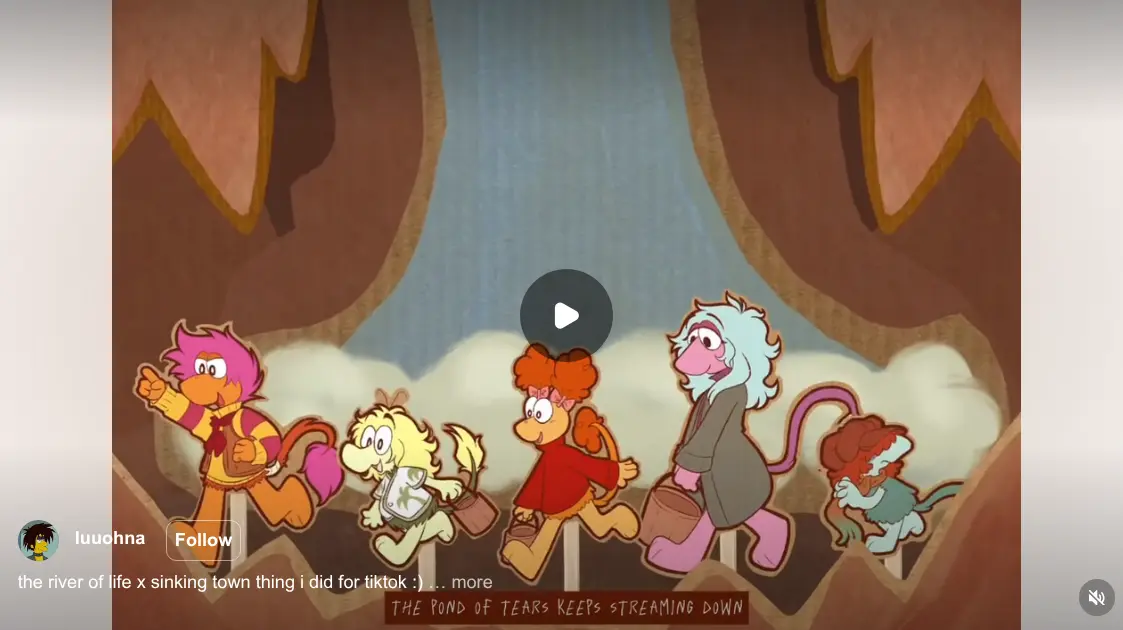
You can also see their children’s storybook work and more from JS on Instagram.
What happens now?
I do not have a neat ending for this.
Sometimes life just sucks. You work hard, overcome things other people never see, achieve something genuinely brilliant and discover that the next door still does not open automatically.
I cannot promise JS that talent will be enough. It should be. It plainly is not always.
What I can do is help their work reach people. I can say that they are looking for paid work, commissions, collaborations and introductions. That might involve book or character illustration, narrative artwork, maps, puppets, animation, campaign artwork or something neither of us has thought of yet.
I can ask people to look before making assumptions about the person behind it.
And I can hope that somewhere, somebody sees Starboard or one of JS’s other characters and thinks, “Yes. That is exactly the mind this project needs.”
If that might be you, please look at @luuohna on Instagram. If it reminds you of somebody else, please pass it on.
Not as charity. Not as a favour.
Because the work deserves to be seen.
A few practical questions
What kind of creative work is JS looking for?
JS is interested in paid work, commissions, collaborations and introductions involving illustration, character design, narrative artwork, maps, puppetry, animation and campaign artwork.
Where can I see more of JS’s work?
You can see more illustration and animation work through @luuohna on Instagram, including The River of Life.
What can make a creative opportunity more accessible?
Clear written information, direct questions, time to process a brief and the option to respond in writing can help. Most importantly, look closely at the work rather than treating confident self-promotion as proof of creative ability.
Do these adjustments lower the standard?
No. They make the assessment more relevant. An illustrator should be judged primarily on their ideas, visual work, storytelling and ability to respond to a brief.